


Are Your Baby Wipes Plastic-Free?
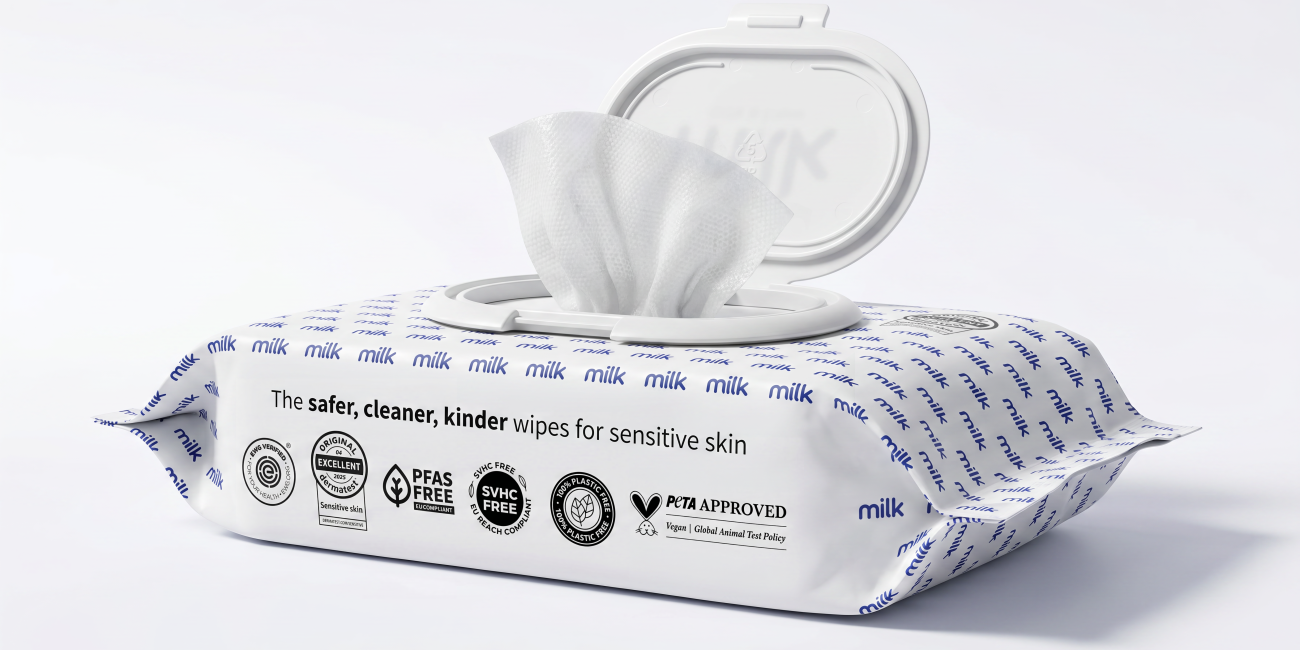
Many parents believe that their baby wipes contain water and gentle skin soothers. But here is the unsettling truth: most standard wet wipes on the market are secretly packed with polluting plastic. Some common plastic resins include polyester (PET), polypropylene (PP) and polyethylene (PE). We want to empower and educate parents to look closer at their wipes’ ingredients and demand true transparency.
Is "Plant-Based" Really Plastic-Free?
You might see wipes proudly labeled as “plant-based” or “made with natural fibers,” but it’s time to ask the hard question: Is it 100% plastic-free?
Often, the answer is a resounding no. Many brands blend plant fibers with synthetic plastic resins like polyester or polypropylene to cut costs. This means you are still wiping your baby’s skin—and throwing away—hidden, single-use plastics. If you want true plastic-free baby wipes, you have to look beyond the clever front-of-pack marketing.
The Real Impact of Plastic Baby Wipes
When we use standard plastic-filled wipes, the environmental toll is massive:
- Because most popular wipes contain plastic, they don’t fully biodegrade. They end up in landfills, where they can sit for up to 100 years, or they are incinerated, heavily contributing to carbon emissions.
- The “Flushable” Myth: Don’t be fooled by “flushable” labels. Many of these products still contain plastics or tough wood pulps that harm marine life and clog pipes.
- Rubbing microplastics wipes repeatedly create friction and can cause contact dermatitis.
The MILK™ Difference: 100% Simple, 100% Honest
We believe your baby and our planet deserve better. That’s why MILK™ Water Wipes are completely flipping the script, providing 100% plastic-free wipe, made from 100% plant-based viscose.
Next time you grab a pack of wipes, don’t just trust the front marketing claims—turn it over and check the ingredients. Choose transparency.