


Ask an Expert: A Paediatrician’s Guide to Preventing Diaper Rash
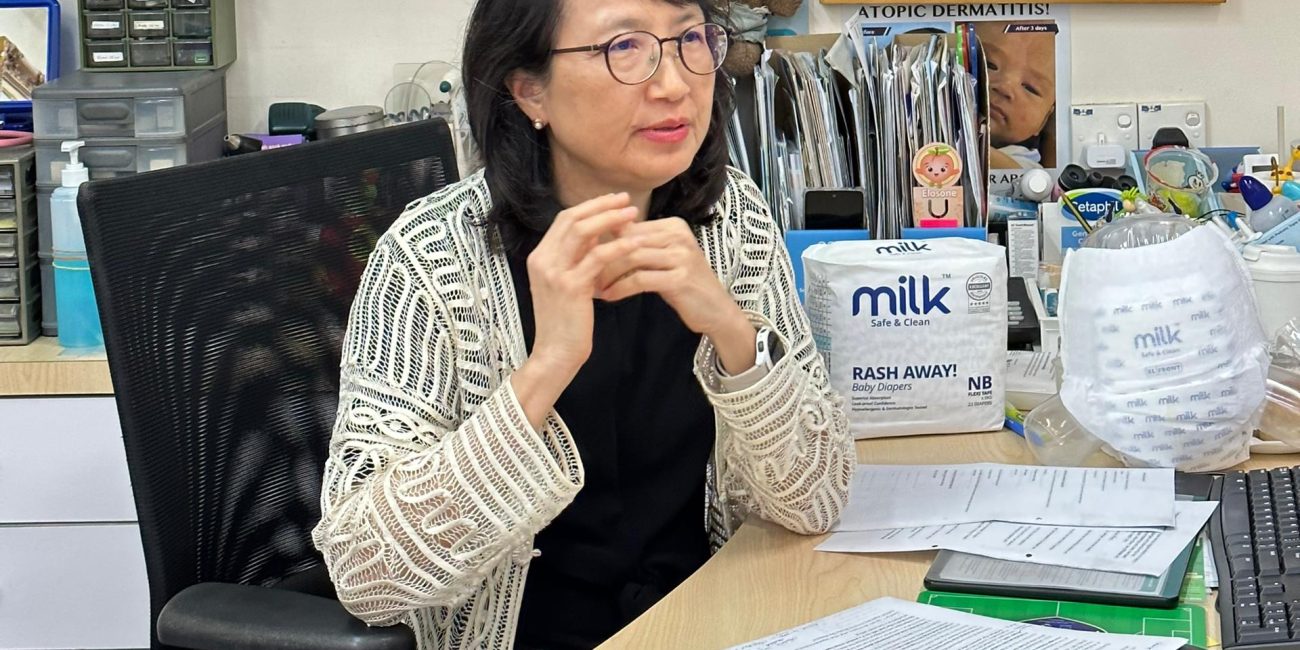
On July 8th, we honor World Skin Health Day, a global initiative spearheaded by the International League of Dermatological Societies (ILDS) and the International Society of Dermatology (ISD). The core mission is to raise global awareness about the crucial importance of skin health and to foster meaningful conversations and take proactive steps towards improving dermatological care and overall skin well-being. For us at MILK™, this means focusing on skin health right from day one: a baby’s delicate skin. We sat down with Dr Wong May Foong from Puchong Specialist Clinic to talk about diaper rash prevention.
How common is a diaper rash?
For the first few years of their lives, our babies’ sensitive skin are in constant contact with diapers. Children will go through 4,000 to 7,000 diapers a year until they are toilet trained. Diaper rash is a common and treatable issue for parents.
What does a diaper rash look like?
Diaper rash, or diaper dermatitis, is a rash in the diaper area. You’ll see a baby’s bottom turning red, forming patches and getting irritated. In more severe cases, the soreness can cause open wounds.
What causes diaper rash?
Diaper rash stems from prolonged exposure to urine and feces against your baby’s delicate skin. Babies have a lot of poo and pee in their early months and it’s easy for tired parents to fall asleep without changing diapers immediately. This extended contact with irritants creates an environment for a rash to develop.
How to prevent diaper rash?
Keep the skin clean and dry. This is done by frequently changing soiled diapers. Another way is to use a good quality diaper as it pulls the liquid away from the baby’s skin. New technology in the market means that diapers are now made with good quality materials and fast absorption.
What other ways that could irritate a baby’s skin?
Wet wipes with chemicals or nappy cream with fragrances can irritate the skin. There are harmful chemicals like chlorine in diapers that have been found to be skin irritants. The breakdowns of chlorine can form dioxin, which is carcinogenic. Phthalates can also cause skin irritation. Some of these chemicals can affect the immune system and reproductive organs.
How to find safer alternatives?
It’s important to look out for brands that are made with a baby’s sensitive skin in mind. When in doubt, check the sources and find independent organizations that test the materials and guarantee the products are safe. For example:
- OEKO-TEX Standard 100
- Dermatest Seal of Approval
Can watch the full video here.